

Electrical Glove Inspection and Testing Australia: WHS Compliance Guide for Australia

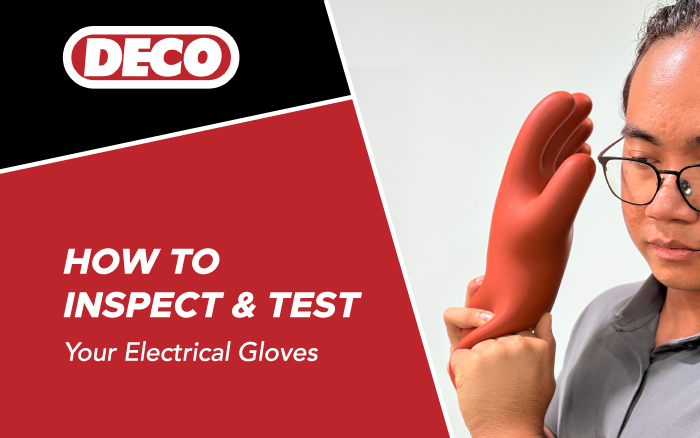
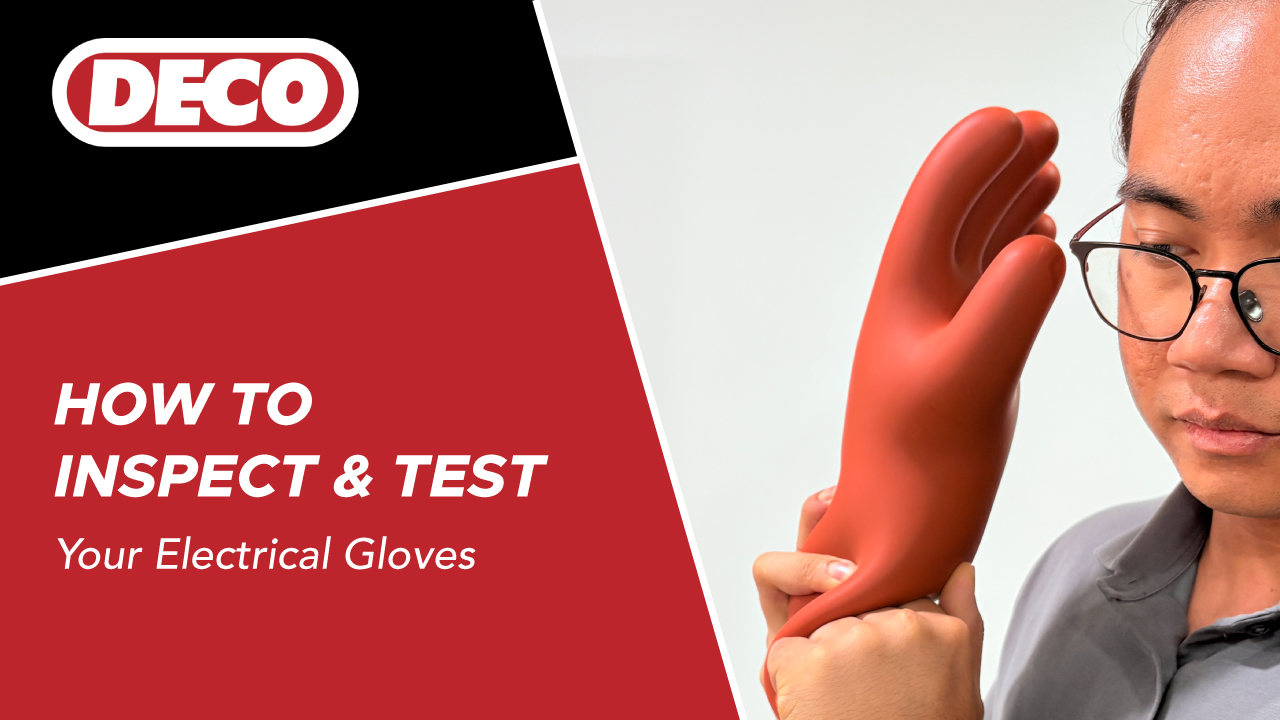
Electrical Glove Inspection and Testing Australia
When it comes to electrical safety, electrical gloves are only effective if they’re regularly inspected, properly tested, and correctly stored. In Australia, Work Health and Safety (WHS) Regulations and standards like AS/NZS IEC 60903:2020 and AS 60903:2022 set strict requirements for electrical glove inspection and testing.
This guide provides electricians, safety officers, and employers with a compliance checklist, testing methods, and storage best practices to ensure electrical gloves remain safe, certified, and WHS-compliant.
Why Electrical Glove Inspection & Testing Matter
- Electrical gloves degrade over time from ozone, UV, and mechanical wear.
- Microscopic cracks or pinholes can compromise protection.
- WHS regulators require testing at strict intervals to maintain certification.
- Proper glove care reduces liability risks for employers and extends glove lifespan.
Compliance Checklist for Electrical Glove Safety
Before any energized work, WHS officers and electricians should follow this electrical glove inspection checklist:
✅ Visual Check
- Look for cuts, punctures, cracks, swelling, or discoloration.
- Check for signs of chemical damage or UV exposure.
✅ Air Inflation Test
- Roll the cuff and trap air, then gently squeeze.
- Rotate the glove and check for escaping air bubbles.
- Alternatively, a glove inflator can be used to easily inflate the insulating gloves for inspection.
✅ Marking & Label Check
- Verify class rating, certification mark (AS/NZS or IEC), and last test date.
- Ensure gloves are within their valid testing period.
✅ Fit & Comfort
- Confirm gloves fit correctly and allow dexterity.
** Recommend to always wear leather protectors over electrical gloves to prevent punctures.
Testing Methods for Electrical Gloves
Electrical gloves must undergo dielectric testing in certified facilities. This process includes:
- AC or DC Voltage Application
- Gloves are submerged in water and subjected to test voltages per their class.
- For example, Class 0 gloves are proof-tested at 5,000V AC.
- Leakage Measurement
- Current leakage is measured to detect insulation breakdown.
- Pass/Fail Certification
- Gloves that pass is stamped with a new test date.
- Gloves that fail must be removed from disposed immediately.
How Often to Test Electrical Gloves in Australia
According to AS/NZS IEC 60903:2020 and Safe Work Australia guidelines:
- Before first issue → Gloves must be dielectric tested.
- Every 6 months → Gloves must undergo dielectric retesting.
- Daily (by user) → Visual and air test before each use.
⚠️ Using gloves that are overdue for testing is a WHS breach and exposes workers to extreme risk.
Storage & Handling Tips
Proper storage extends glove life and reduces the risk of damage:
- Store gloves in a cool, dry place, away from direct sunlight and ozone sources (like motors or transformers).
- Keep them in protective canvas or leather bags — never folded.
- Do not expose gloves to chemicals, oils, or solvents.
- Always store electrical gloves separately from tools to prevent accidental cuts or punctures.
WHS Compliance & Record Keeping
For employers and WHS managers in Australia, compliance goes beyond inspection:
- Maintain a testing log with glove ID, test dates, and results.
- Replace gloves immediately if they fail a test.
- Train all electricians on daily inspection procedures.
- Ensure glove testing is performed by a NATA-accredited laboratory.
Conclusion: Safety Through Routine Testing
Electrical gloves are the first line of defence against shocks, but only if they’re inspected daily, tested every six months, and stored correctly. By following the compliance checklist, WHS guidelines, and Australian standards (AS/NZS IEC 60903:2020, AS 60903:2022), electricians and safety officers can ensure that electrical gloves remain reliable and certified.
Safety doesn’t stop at buying the right PPE — it’s about maintaining protection through proper electrical glove inspection and testing.
Need a Hand Choosing the Right Gloves?
We’re here to help you stay protected, compliant, and ready to work.
- Unit 1, 9-11 Yazaki Way, Carrum Downs, VIC 3201
- (03) 8905 4363 / (03) 8905 4390
- Email: sa***@************om.au