

Essential Guide to Electrical Protective Equipment: Safeguarding Your Safety and Compliance


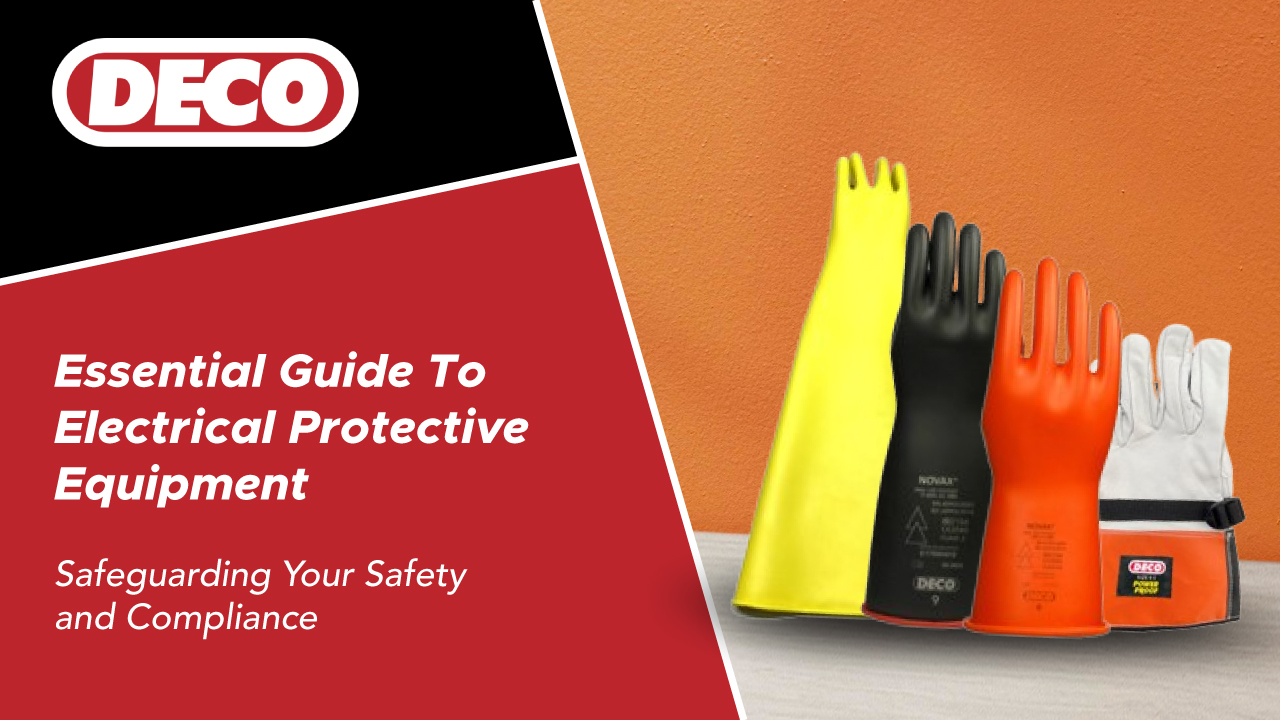
Electrical Protective Equipment serves as a vital line of defense against the myriad hazards present in workplaces such as construction sites, factories, and utility settings.
This essential guide dives into the various types of electrical protective gear that not only safeguard your well-being but also ensure compliance with industry regulations. Join us as we explore how to choose the right protective gear, the importance of maintenance, and best practices for training your team.
Understanding Electrical Protective Equipment
Electrical Protective Equipment includes tools and apparel that protect workers from electrical hazards such as electric shock and arc flash. It provides a vital layer of safety in any environment where electrical systems are used.
Electrical Protective Equipment also helps strengthen a safe work culture. When workers wear the correct protective gear, they follow safety procedures more consistently, reducing the risk of accidents across the job site.
Industry standards and regulations require the use of Electrical Protective Equipment. Companies that do not comply may face penalties or operational issues.
Staying updated with current Electrical Protective Equipment guidelines and technology ensures effective protection, legal compliance, and a safer workplace.
Types of Electrical Protective Equipment
There is a wide range of Electrical Protective Equipment available, each designed to address specific risks and hazards. One of the most common types is insulated gloves, which protect the hands from electric shocks.
These gloves are made from materials like rubber and are tested to withstand high voltages, making them essential for tasks that require direct contact with electrical components, such as maintenance and repair work.
Another critical piece of Electrical Protective Equipment is the arc-flash suit, designed to protect the entire body from burns and injuries caused by high-energy electrical systems. Face shields and helmets are often used alongside arc-flash suits to safeguard the head, eyes, and face from heat, sparks, and debris.
Other essential electrical PPE includes:
- Insulated boots and sleeves – protect feet and arms from electrical hazards.
- Voltage detectors and insulated tools – alert workers to live currents and allow safe handling of electrical components.
- Rubber insulating blankets – provide temporary barriers over energized equipment to prevent accidental contact.
- Line hoses – used to insulate tools or sections of live lines during maintenance work.
By using a combination of gloves, arc-flash clothing, helmets, boots, sleeves, and tools, electrical workers can achieve comprehensive protection while performing their tasks safely.
Selecting the Right Electrical Protective Equipment
Choosing the right Electrical Protective Equipment is essential for workplace safety. Consider the following factors when selecting gear for your team:
Identify workplace hazards:
- For high-voltage systems, use insulated gloves and arc-flash suits.
- For low-voltage equipment, basic insulated tools and gloves may be sufficient.
- Conduct a risk assessment to match hazards with the appropriate protective equipment.
Comfort and fit:
- Choose equipment that is well-fitted and comfortable for extended use.
- Customizable options are available from manufacturers to suit your team’s needs.
Weight and Mobility
- PPE should allow workers to move freely without restricting dexterity or causing fatigue.
- Lightweight gloves, suits, and helmets enhance productivity during extended tasks.
Compliance with Standards
- Always choose Electrical Protective Equipment that meets relevant Australian standards for electrical protection.
- Standards ensure reliable performance and legal compliance.
Maintenance and Inspection of Electrical Protective Equipment
Regular care is essential to ensure safety and extend the life of your protective gear.
Importance of Maintenance:
- Ensures effectiveness and longevity of protective equipment
- Identifies and addresses wear or damage that could compromise safety
Inspections:
- Include visual inspections, electrical testing, and sometimes laboratory analysis.
- Rubber gloves should be dielectric tested every 6 months and insulating sleeves every 12 months, with visual inspections before each use, and any damaged equipment replaced immediately.
- Keep detailed records of inspections and maintenance for compliance and tracking equipment condition.
Proper Storage Practices:
- Store gear in a clean, dry environment away from direct sunlight and extreme temperatures.
- Improper storage can degrade materials and reduce effectiveness.
- Use designated storage areas and educate employees on correct storage methods to preserve quality and lifespan.
Training and Awareness for Electrical Protective Equipment Usage
Training and awareness are fundamental components of an effective Electrical Protective Equipment program. Even the most advanced protective gear is useless if workers do not know how to use it correctly. Comprehensive training programs should cover the proper selection, use, and maintenance of Electrical Protective Equipment.
This includes hands-on demonstrations and practical exercises that allow employees to become familiar with the equipment and its applications. Training should be conducted regularly to keep employees updated on any new equipment or changes in safety protocols.
In addition to technical training, fostering a culture of safety awareness is crucial. Employees should be encouraged to take an active role in their own safety and the safety of their colleagues.
This can be achieved through regular safety meetings, workshops, and awareness campaigns that highlight the importance of using Electrical Protective Equipment and following safety procedures. Encouraging open communication about safety concerns and providing avenues for reporting hazards can also contribute to a safer work environment.
Furthermore, training should not be a one-time event but an ongoing process. Regular refresher courses and updates on new safety standards and technologies are essential for keeping employees informed and prepared.
Common Misconceptions about Electrical Protective Equipment
Several common misconceptions about Electrical Protective Equipment can undermine its effectiveness and lead to unsafe practices. One prevalent myth is that Electrical Protective Equipment alone is sufficient to protect against all electrical hazards.
While protective gear is essential, it is not a substitute for proper safety procedures and risk assessments. Relying solely on EPE without implementing comprehensive safety measures can create a false sense of security and increase the risk of accidents.
Another misconception is that more expensive EPE is always better. While high-quality equipment is important, the most expensive option is not necessarily the best fit for every situation. The key is to select EPE that is appropriate for the specific hazards and tasks at hand. Conducting a thorough risk assessment and consulting with safety experts can help you choose the right protective gear without overspending.
A third common misconception is that once EPE is purchased, it requires little to no maintenance. As previously discussed, regular inspection and maintenance are crucial for ensuring the effectiveness and longevity of protective gear. Neglecting maintenance can lead to the degradation of materials and reduced protective capabilities. Educating employees on the importance of maintaining and inspecting their equipment can help dispel this myth and promote safer practices.
The Future of Electrical Protective Equipment Technology
The future of Electrical Protective Equipment technology is promising, with advancements aimed at enhancing both safety and usability. One emerging trend is the integration of smart technology into protective gear. Smart helmets, for example, come equipped with sensors that can monitor environmental conditions, detect electrical currents, and provide real-time alerts to workers.
Another exciting development is the use of advanced materials in the manufacturing of Electrical Protective Equipment. Researchers are exploring new materials that offer superior protection while being lightweight and comfortable. For example, graphene-based fabrics are being developed for use in arc flash suits, offering enhanced flame resistance and durability. These innovations can make protective gear more comfortable to wear for extended periods, thereby increasing compliance among workers.
Conclusion: Prioritizing Safety and Compliance with Electrical Protective Equipment
Ultimately, the right approach to Electrical Protective Equipment can transform your workplace, making it safer, more compliant, and more productive. So, equip yourself with the knowledge and tools needed to prioritize safety and take proactive steps to safeguard your team today.
Need a Hand Choosing the Electrical Protective Equipment?
We’re here to help you stay protected, compliant, and ready to work.
- Unit 1, 9-11 Yazaki Way, Carrum Downs, VIC 3201
- (03) 8905 4363 / (03) 8905 4390
- Email: sa***@************om.au